Mijas - Roman archaeological site - Finca Acebedo
Background to the Research
The archaeological site of Cortijo de Acebedo is located on the right bank of the Fuengirola or Gomenaro River, approximately 1,400 m from the present-day coastline. It was discovered in the 1990s during construction work on the current San Cayetano Cemetery. Following its discovery, a series of archaeological activities were carried out, revealing the remains of a large Roman villa dedicated to agricultural and industrial production, located in what is known as the ager suelitanum.
At the end of 2017, the Department of Historical Heritage of the Mijas Town Council carried out a series of archaeological activities that have helped to define the extent of the site. These investigations also provided a body of data revealing the different phases of occupation of this area throughout Antiquity. The results demonstrated the significance of this archaeological site and, consequently, in 2020 an application was submitted to the Andalusian Regional Ministry of Culture for a General Research Project, which is currently underway under the title Protohistoric and Roman Rural Settlement in the Ager Suelitanum: Research at the Acebedo and Val de Suel Sites.
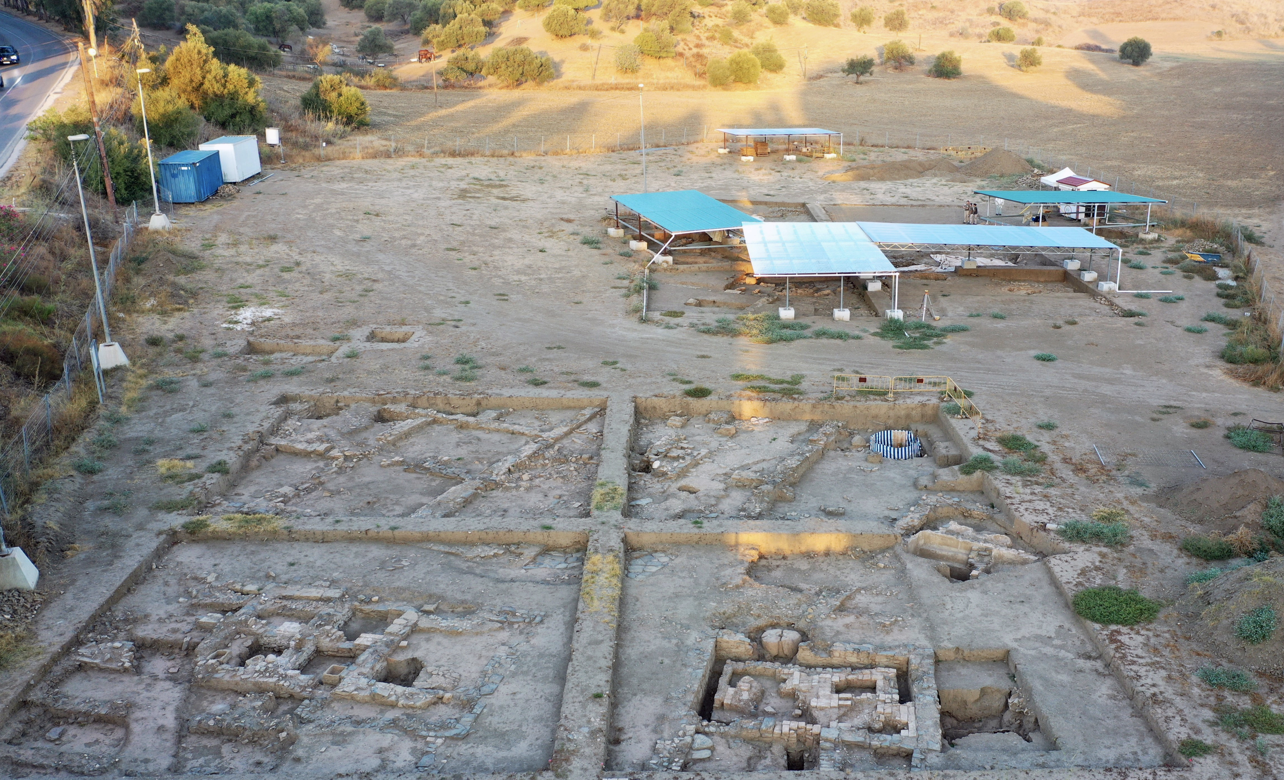
However, in order to understand what the surroundings of the site were like in Antiquity, it is necessary to go back 2,000 years. Thanks to studies carried out by the German Archaeological Institute during the 1980s, it is possible to approximately reconstruct what the coastline looked like two millennia ago. The entire area currently occupied by the Fuengirola or Gomenaro River, from its present-day mouth to the area known as Cortijo del Ahogadero, was a large marine estuary. Consequently, this pre-Roman and Roman settlement was located very close to the ancient coastline; in other words, the sea reached almost to its doorstep.
Likewise, in the 18th century, the Marquis of Valdeflores placed the ruins of Suel in the area known as the Val de Suel (the valley of the Suel River), 1,500 m from Fuengirola Castle, where he found an aqueduct bearing a Latin inscription, now lost. A funerary altar dating from the 2nd century AD also comes from this site. It bears a female name together with an indication of her origin in the Roman city of Suel: Aemilia Aemiliana Suelitana.
In the area excavated during the 1990s, several rooms belonging to a balneum were identified, specifically in the area known as the tepidarium. These rooms were characterised by a heating system consisting of a double floor through which hot air circulated from a functioning furnace. Subsequently, this area underwent a series of architectural modifications and was converted into an industrial installation dedicated to wine or olive-oil production, as evidenced by opus spicatum pavements and channels. A large basin and a series of tombs associated with a necropolis dating to the same chronological period were also documented.
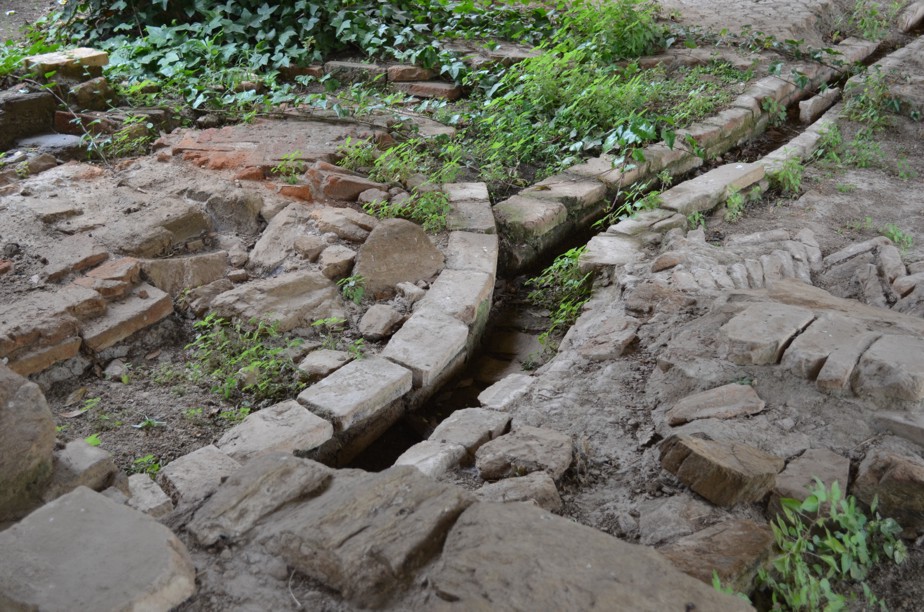
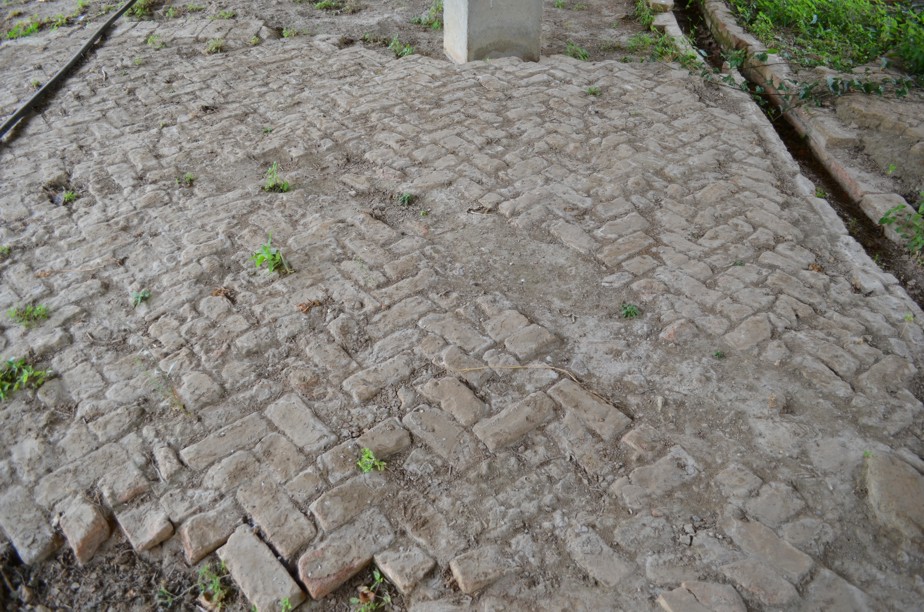
As mentioned above, since the archaeological investigations undertaken by the Department of Historical Heritage of the Mijas Town Council began, a series of results have been obtained demonstrating that this is an area of considerable archaeological potential due to its continuous occupation throughout Antiquity and its strategic location at the point of connection between the coast and the interior via the present-day course of the Fuengirola or Gomenaro River. It is therefore a unique area for studying the transition between different societies and population communities over an extensive chronological period, beginning in the Copper Age and continuing through to the Late Roman Empire.
The General Research Project and the Discoveries at the Cortijo de Acebedo Site
The General Research Project currently being carried out by the Department of Historical Heritage of the Mijas Town Council focuses on the study of a very extensive territory, whose principal site is the archaeological site known as Cortijo de Acebedo. This area was occupied from the 7th and 6th centuries BC until the end of the Roman period (5th century AD).
During the course of this archaeological work, highly significant discoveries have been made, including two areas of necropolises: one dating to the Early Iron Age, where cremation was practised, and another dating to the Roman period, between the 1st and 5th centuries AD. In addition, within the area occupied by the first of these necropolises, dated to the 7th–6th centuries BC, a funerary space containing archaeological material dating to the Copper Age (3rd millennium BC) has been identified.
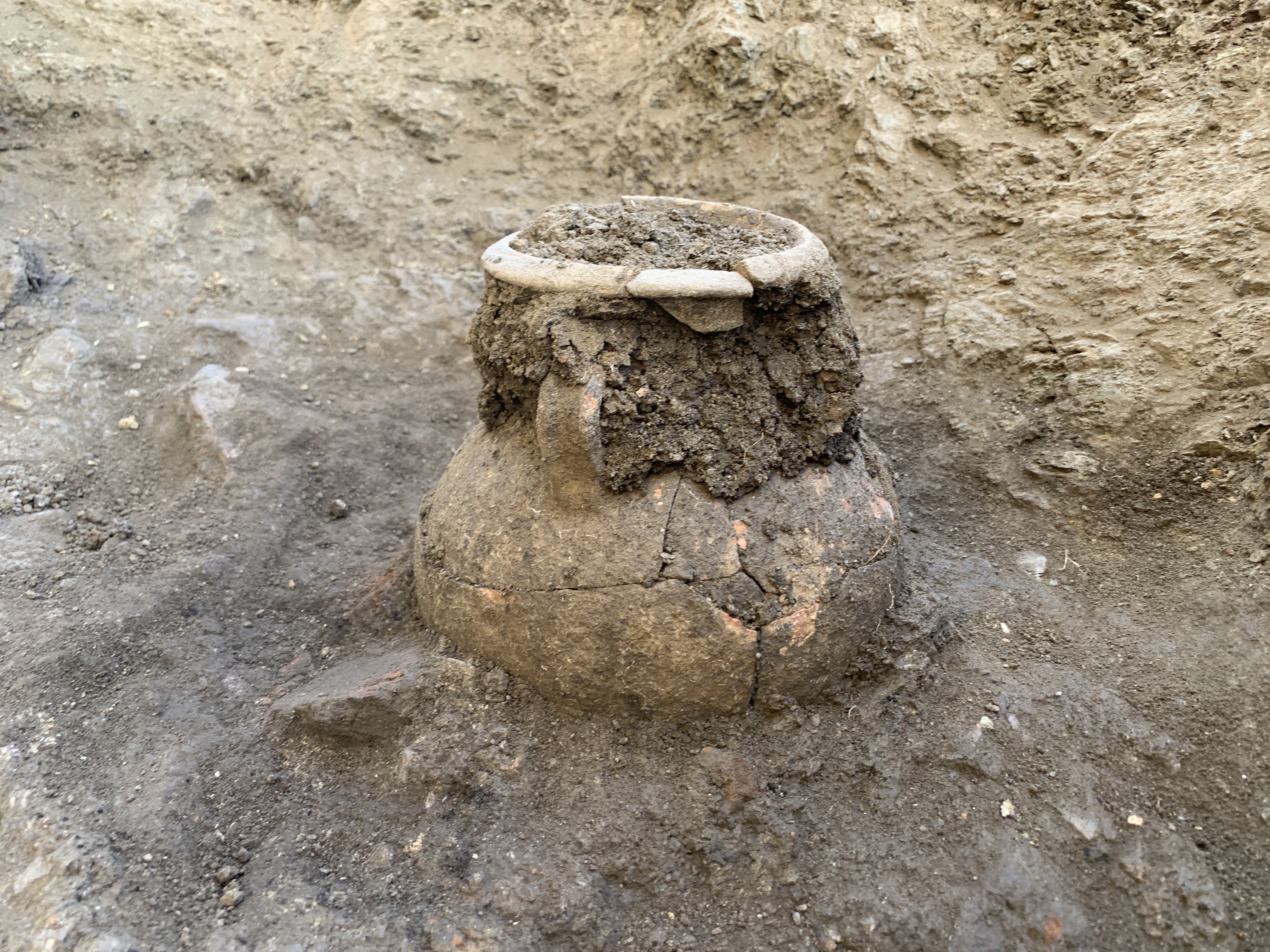
In the western part of the site, a group of features associated with wine production during the Punic period has also been discovered. These include a series of planting pits associated with vine cultivation and a settling basin used in the production of wine.
Furthermore, several buildings have been discovered whose functions were associated with agricultural production during the Roman period, although they had served a different purpose originally. One of these has been clearly identified as a balneum, or bathing complex, dating to the same period, as a series of rooms identified as part of a frigidarium have been documented, including a cold-water pool, a latrine and its corresponding sewer.
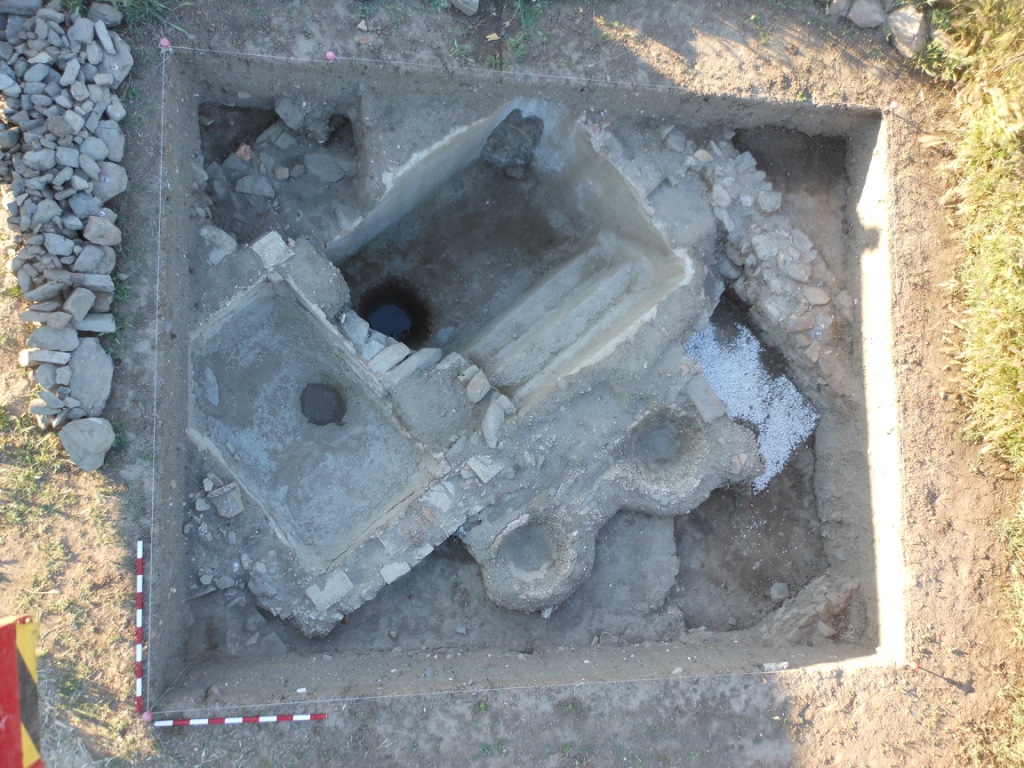
These investigations have also made it possible to identify a Roman pottery-production complex consisting of a group of kilns of different shapes and types, where building materials, amphorae and common-ware vessels were manufactured.
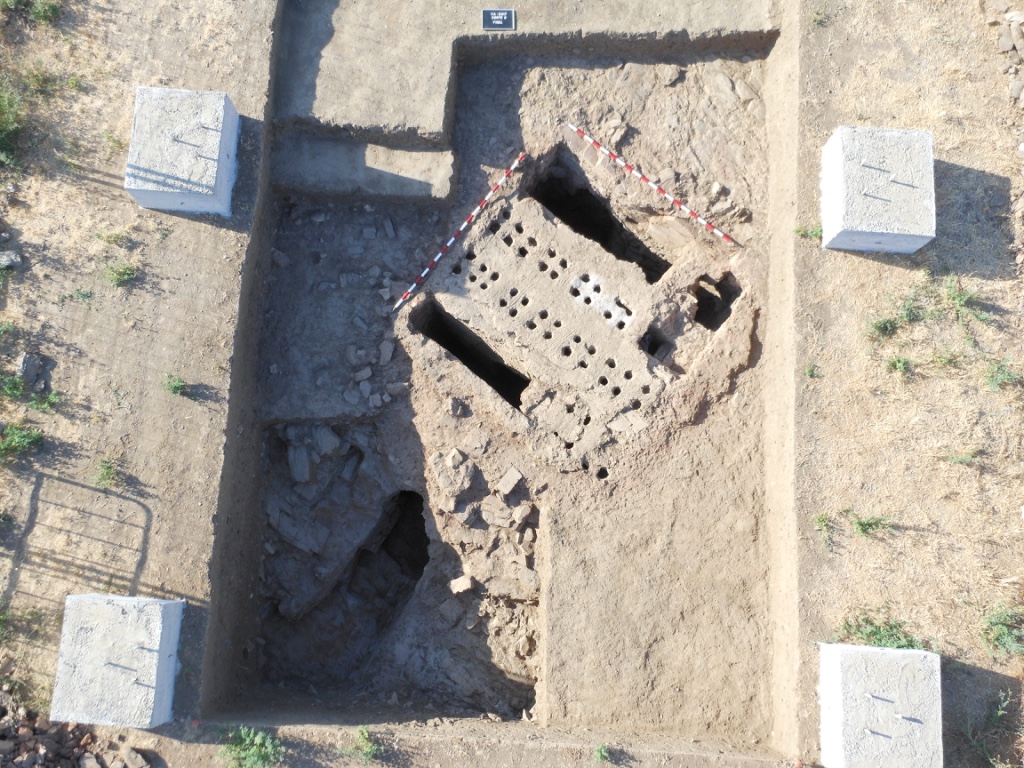
The results obtained thus far demonstrate the importance of this site for advancing our understanding of human occupation from the Early Iron Age through to the Late Roman Empire in the municipality of Mijas and along the coast of Málaga.
CLICK HERE TO VIEW THE LOCATION
CORTIJO DE ACEBEDO DOCUMENTARY | PRODUCED BY MIJAS COMUNICACIÓN – CLICK TO WATCH